
Material selection in FDM printing is never just about what sticks to the bed. The same geometry can behave as a stable fixture, a warped enclosure, a brittle clip, or a flexible interface depending on heat, impact, humidity, and the printer's ability to control the process.
This article explains the practical properties that matter when choosing PLA, PETG, TPU, and ABS. Instead of treating filaments as brand categories, it frames them as engineering tradeoffs: what stays rigid, what absorbs impact, what tolerates service heat, what demands drying, and what asks for a more controlled machine.
Material comparison at a glance
Start with the polymer family before you compare colors, additives, or marketing claims. In most workshops, the first decision is whether the part needs crisp geometry, balanced toughness, elastic recovery, or a wider thermal envelope.
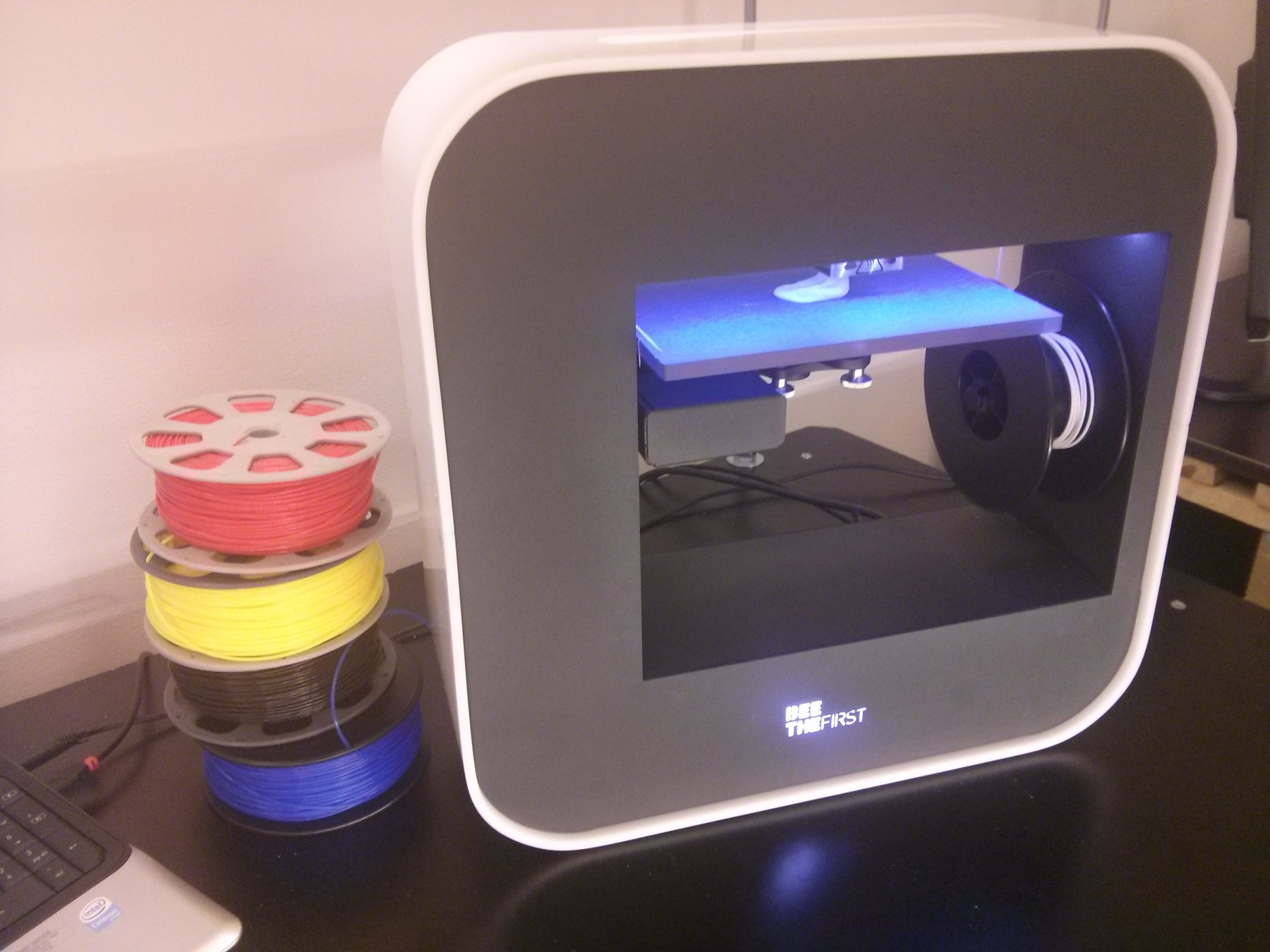
| Property | PLA | PETG | TPU | ABS |
|---|---|---|---|---|
| Rigidity | High | Medium | Low | Medium-high |
| Impact tolerance | Low to medium | Medium to high | High | High |
| Service heat margin | Low | Medium | Low to medium | High |
| Moisture sensitivity | Medium | High | High | Medium |
| Warping risk | Low | Low to medium | Low | High |
| Typical role | Visual prototypes | Daily-use functional parts | Grips, seals, dampers | Housings, heat-adjacent parts |
The comparison above is intentionally directional. Real values still shift with formulation, colorant, wall count, infill, annealing, and whether the spool is dry when printing starts.
How to evaluate filament properties
A spool label tells you what polymer you bought. It does not tell you how the part will behave in a hot car, under clamp load, at a snap fit, or after two weeks in a humid room. For practical selection, evaluate properties as a set rather than one by one.
Thermal resistance and creep
Thermal behavior in real use is about when a part softens under load, not just the nozzle temperature printed on the box. A material with a low practical heat ceiling can look fine on the bench and still distort in a car interior, near warm electronics, or under constant compression. PLA loses shape earliest. PETG improves the safety margin for moderate heat. ABS usually handles the highest service temperature of the four. TPU survives bending, but soft grades can still creep if the geometry is unsupported.
Rigidity, toughness, and elastic recovery
Rigidity tells you how much a part resists bending. Toughness tells you how much abuse it absorbs before cracking. Elastic recovery tells you whether it returns after deformation. PLA is rigid and dimensionally crisp, but not the best at absorbing repeated impact. PETG is less stiff but more forgiving. TPU is designed for repeated flex and compression. ABS sits between rigid and tough and is often better suited to housings, clips, and parts that will be handled frequently.
Layer adhesion, shrinkage, and dimensional stability
Filament selection is also process selection. Some polymers print cleanly in open air; others shrink enough that corners lift or tall walls split. PLA is usually the easiest to control. PETG bonds strongly between layers but can string and build surface residue if retraction or cooling is off. TPU needs a constrained filament path because the material can buckle before it reaches the melt zone. ABS rewards disciplined chamber temperature and punishes drafts with warping and layer separation.
Moisture sensitivity and storage discipline
Humidity changes print behavior before the spool looks damaged. Wet filament can hiss, foam, string, dull the surface, and reduce layer integrity. PETG and TPU usually show moisture problems quickly. PLA also loses consistency when left open for long periods. ABS is less reactive in day-to-day storage, but dry material still prints more predictably. If the part matters, storage and drying are part of the material decision, not an afterthought.
PLA: fast, crisp, and easy to validate
PLA is the easiest place to start when the job values speed, surface quality, and dimensional clarity. It melts and cools predictably, needs less environmental control than ABS, and usually makes debugging the printer simpler. That makes it strong for display parts, concept models, assembly mockups, light-duty jigs, and fixtures that do not live in hot environments.
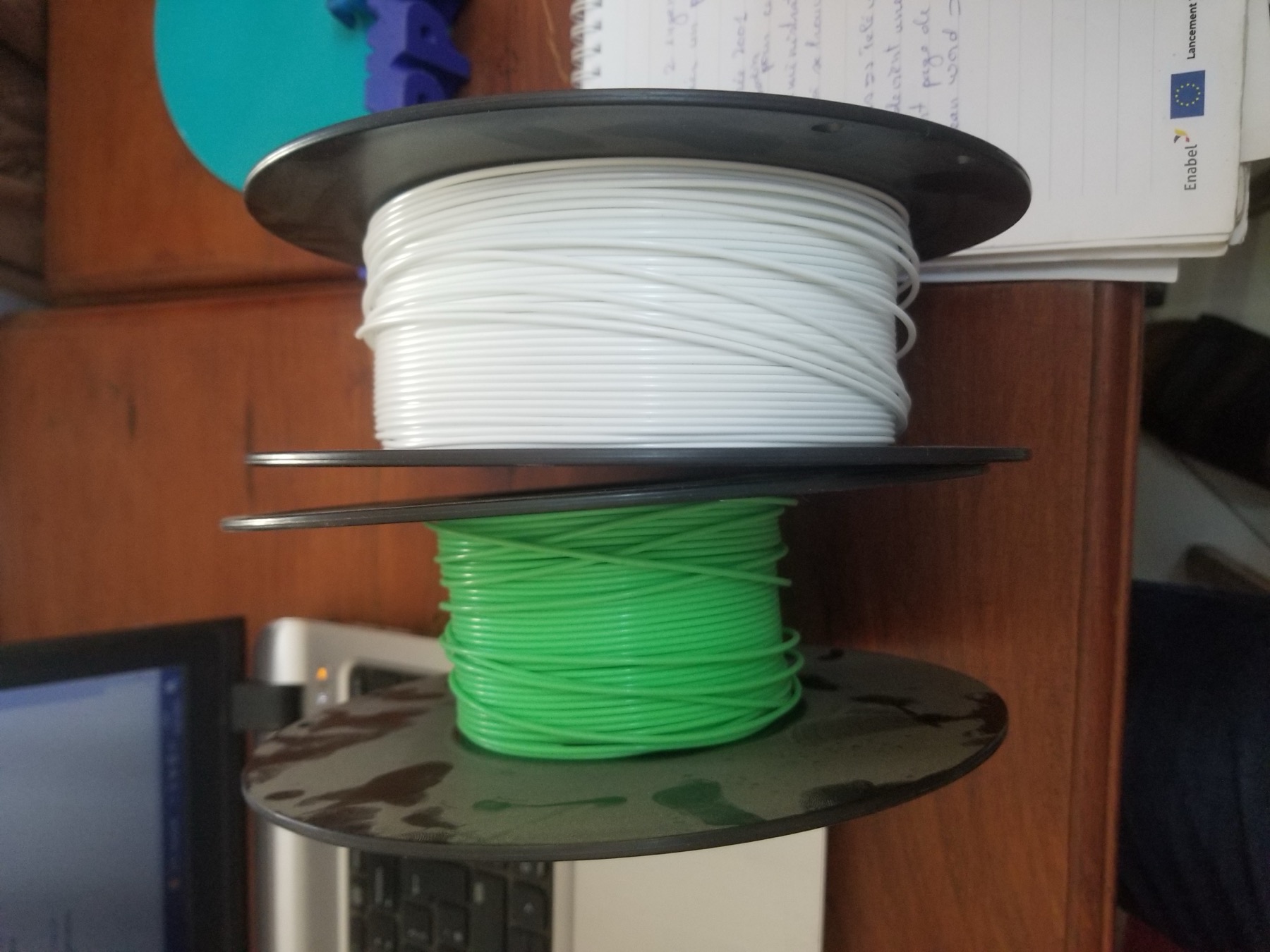
Its limitations are equally important. Thin clips can fail in a brittle way, clamped parts can creep over time, and warm ambient conditions can deform the part earlier than many teams expect. PLA works best when appearance, accuracy, and fast iteration matter more than service heat or repeated mechanical abuse.
- Choose PLA when: the part is primarily visual, dimension-critical, or used for light-duty fixtures and fast design validation.
- Avoid PLA when: the part will sit in enclosed heat, take repeated impact, or remain under long-term load.
PETG: the balanced option for daily-use parts
PETG is often the transition material between a prototype plastic and a working plastic. It gives up some of PLA's sharpness in exchange for better impact tolerance, better chemical resistance, and more comfort in warmer operating conditions. That balance makes PETG one of the strongest defaults for brackets, covers, toolholders, organizers, shop accessories, and general-use parts that need to survive handling.
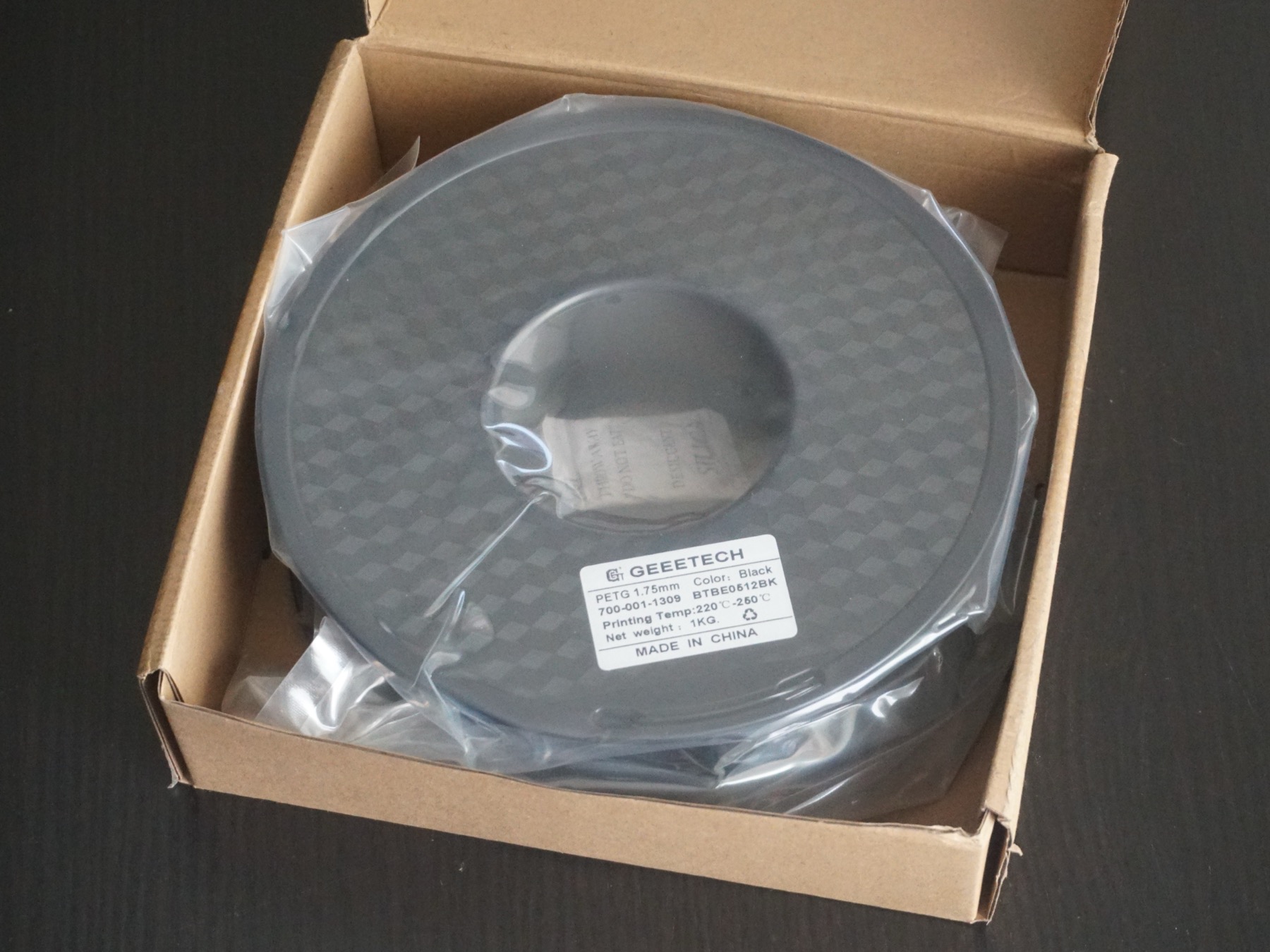
The main tradeoff is process polish. PETG can string, leave glossy blobs, and bond too aggressively to some surfaces if the first layer is over-compressed. It also benefits from drying more than many beginners expect. When tuned and kept dry, PETG is one of the most reliable functional materials on an open-frame printer.
- Choose PETG when: the part needs balanced toughness, moderate heat tolerance, and better real-world durability than PLA.
- Watch for: moisture-driven stringing, heavy first-layer squish, and surfaces that can be damaged by over-adhesion.
TPU: when elastic recovery matters more than rigidity
TPU is chosen when deformation is part of the design. It is useful for anti-slip feet, seals, bumpers, cable guides, wear pads, flexible straps, shock absorbers, and interfaces that need grip. The important question is not whether TPU is strong in the rigid sense, but whether it can flex, compress, and return without permanent damage.
Grade selection matters more here than with rigid filaments. Harder TPU feeds more easily and behaves closer to a soft engineering plastic. Softer TPU absorbs impact and grips better, but it prints slower and is much more sensitive to the extruder path. Geometry also changes the feel dramatically: wall count, infill pattern, and section thickness can make the same Shore rating behave either firm or very soft.
- Choose TPU when: the part needs grip, sealing, damping, controlled flex, or repeated compression and recovery.
- Watch for: buckling in the feed path, moisture, and designs that become too soft once printed at full scale.
ABS: stronger thermal envelope with stricter process control
ABS is still relevant because it combines practical toughness, better heat resistance, and good post-processing behavior. For housings, machine-side parts, snap features, and components near warm electronics, it often outperforms PLA and can be a cleaner rigid choice than PETG when the printer environment is controlled.
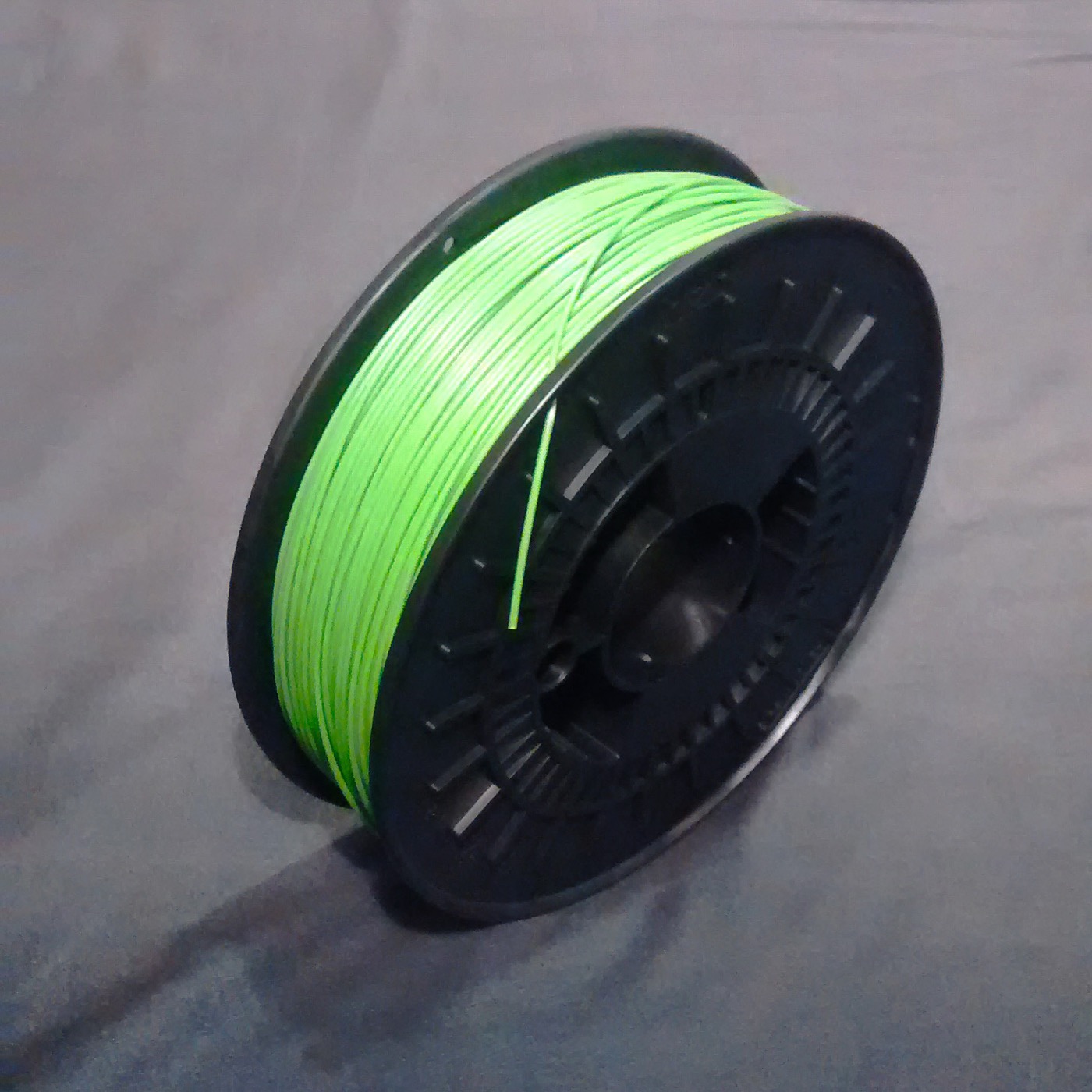
What ABS asks in return is discipline. It shrinks more during cooling, which means drafts, cold rooms, and uneven chamber conditions translate directly into warped corners or split layers. On a capable enclosed printer, ABS can be excellent. On an open machine with unstable ambient temperature, it becomes much less forgiving.
- Choose ABS when: the part needs better service heat, durable housings, snap features, or a finish that will be sanded or processed after printing.
- Watch for: warping, layer cracking on tall parts, and the need for ventilation and stable chamber conditions.
Print environment, design choices, and process control
The same filament can look good and still fail because the process window was not controlled. Drying, bed temperature, cooling, enclosure behavior, extrusion path, and ambient drafts all influence the result. Printer capability should therefore be treated as part of material selection.
Open-frame printers usually favor PLA and, with a dry spool and tuned first layer, PETG. Direct-drive extruders make TPU far more predictable. Enclosed printers are what make ABS a dependable production option rather than a frustrating experiment. Design decisions matter too: wall thickness, infill density, fillets, and part orientation can change whether the chosen polymer works or fails.
A practical selection workflow
The quickest way to choose well is to start from the failure mode, then confirm the machine can realistically support the material.
- Define the main failure risk: softening, cracking, flex loss, wear, poor grip, or cosmetic defect.
- Check the service environment: sun, enclosed heat, moisture, cleaners, or continuous load.
- Match the part to the machine you actually have: open frame, direct drive, or enclosure.
- Dry the spool and validate with a small coupon before judging the polymer itself.
- Only after that, optimize brand, color, and profile details.
Final checklist before choosing a spool
- Use PLA for clean visuals, fast prototypes, and light-duty parts that stay away from heat.
- Use PETG when the part needs balanced toughness and better day-to-day resilience.
- Use TPU when flexibility, friction, or shock absorption are core to the function.
- Use ABS when service heat and tougher rigid housings matter and the printer can control shrinkage.
- Validate with dry material and a functional test piece before committing a long production run.
Good material selection reduces tuning time. Poor material selection turns tuning into guesswork, even when the print looks acceptable on the first run.